
Products
From in-vehicle devices to web services,LTS supplies transport data through three products
LTS DTG and LTS AI DTG collect data in the vehicle. LTS Cloud then uses the LAS engine to determine the receiving primary contractor and the LCS engine to calculate emissions, and provides the results to primary contractors and carriers. It connects to primary contractors' IT systems through the LCS engine API.
- LTS DTG
- LTS AI DTG
- LTS Cloud
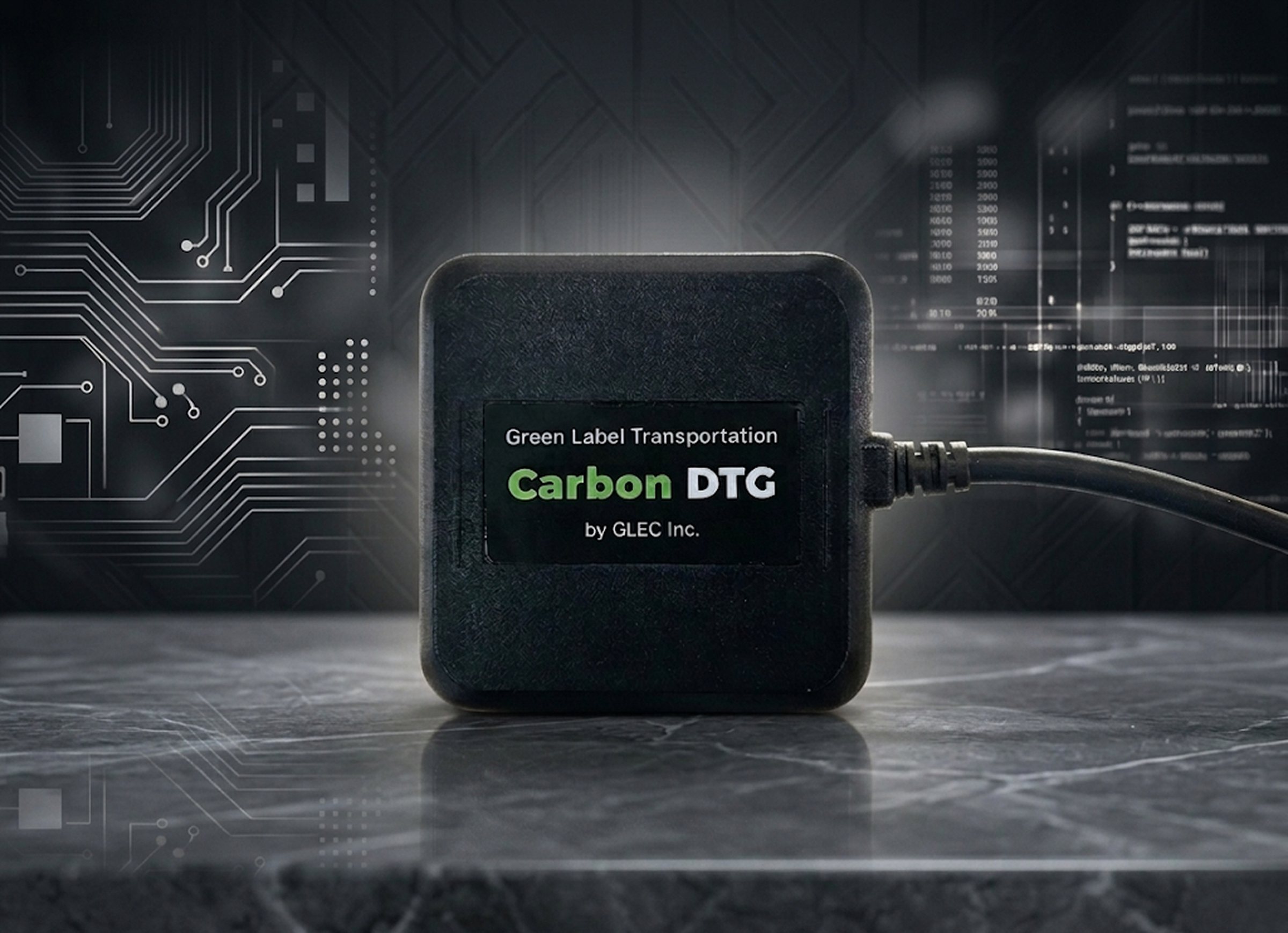
01 LTS DTG
LTS DTG collects raw CAN frames, which differby vehicle model, every 0.1 seconds
Three products
Primary contractors and carriers start with the product they needand expand the scope on the same raw data
LTS DTGIn-vehicle IoT device
LTS DTG replaces the trip recorder required under the Traffic Safety Act and collects fuel, electricity and trip data.
LTS DTG →LTS AI DTGAI tachograph
LTS AI DTG determines 11 types of risky driving and impacts on the device in real time, and stores an evidence waveform for each event.
LTS AI DTG →
LTS CloudWeb services for primary contractors and carriers
With the LAS and LCS engines, LTS Cloud gives primary contractors emissions and safety records per shipper, and gives carriers vehicle and trip management.
LTS Cloud →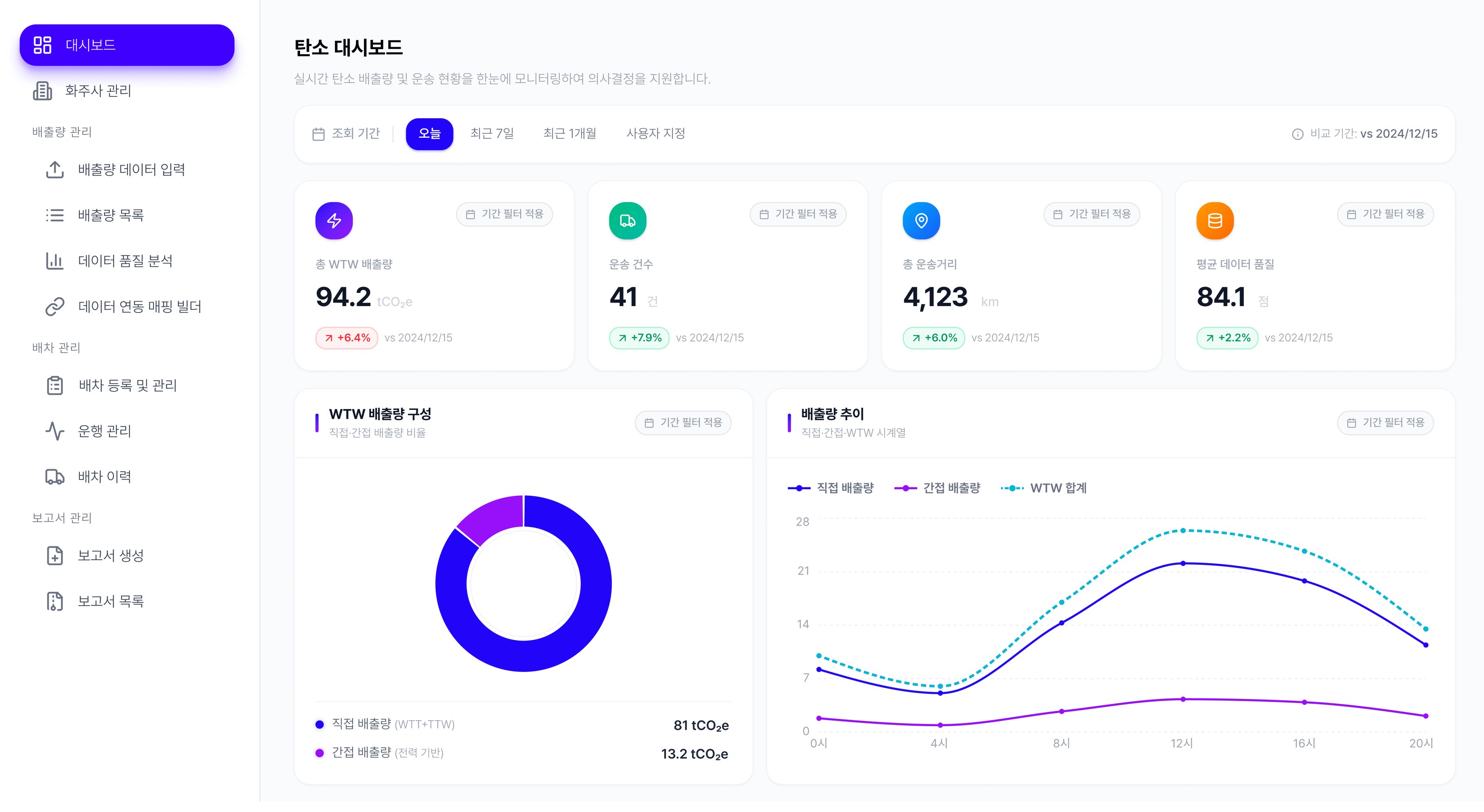
Role of each product
Within one flow,each of the three products has a different job
| Products | Job | Users |
|---|---|---|
| LTS DTG | CAN signal collection every 0.1 s · legally required trip record | Subcontracted carriers · owner-drivers |
| LTS AI DTG | On-device determination of 11 types of risky driving and impacts · evidence waveform storage | Subcontracted carriers · owner-drivers |
| LTS Cloud | LAS engine determination · LCS engine calculation and reporting · risky-driving monitoring | Primary contractor HQ · subcontracted carriers |
LTS Cloud connects to primary contractors' monitoring, ERP and TMS systems through the LCS engine API.
Talk to us
Primary contractors and carriers can start with one productand expand the scope on the same raw data
In a consultation, an LTS representative explains the scope and terms of adoption for your fleet size and partner-carrier structure.