
Safety solution
LTS determines risky driving and impacts from data collected every 0.1 seconds
For quality-sensitive cargo such as semiconductors, chemicals, steel and hazardous materials, primary contractors check before arrival how the cargo was transported on each segment, and present those records to both consignors and consignees.
Problem
Looking up trip records after an accident does not letprimary contractors undo the accident or the cargo damage
The digital tachograph (legally mandated trip recorder) keeps records for submission under the Traffic Safety Act. It does not determine risky driving during a trip or notify primary contractors.
They operate outside the primary contractor's monitoring, so the primary contractor cannot collect risky-driving records.
There are no per-segment transport condition records to present to consignors and consignees.
Safety work
From risky-driving determination to legally required submission,primary contractors handle safety work with LTS DTG and LTS Cloud
Determination of 11 types of risky driving
LTS Cloud determines speeding, prolonged speeding, sudden acceleration, sudden start, sudden deceleration, sudden stop, sudden lane change, sudden overtaking, sudden turn, sudden U-turn and continuous driving during the trip.

Hazardous-materials vehicle monitoring
Primary contractors see the routes and risky-driving events of hazardous-materials vehicles such as tank trucks together on the monitoring screen.
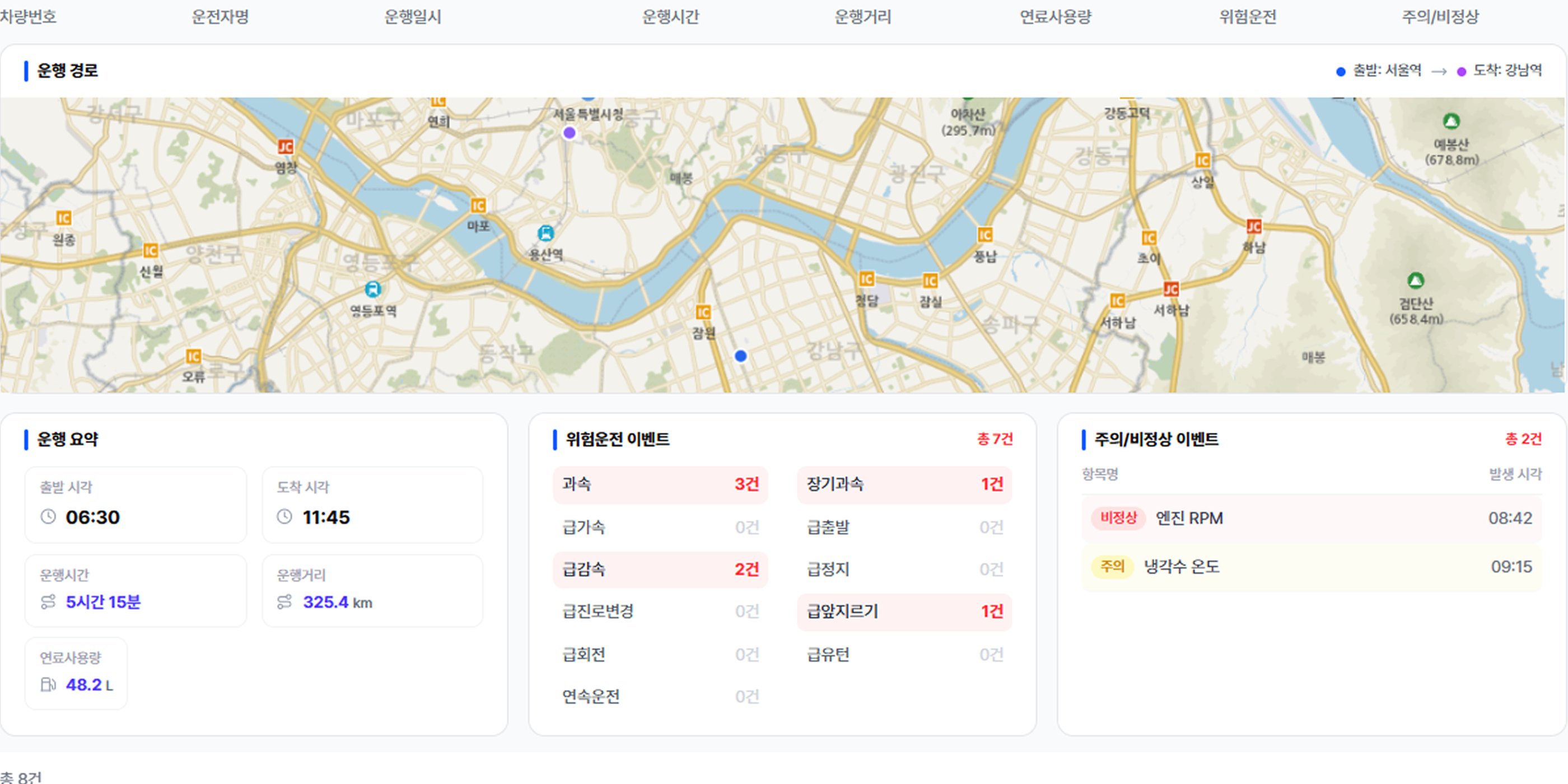
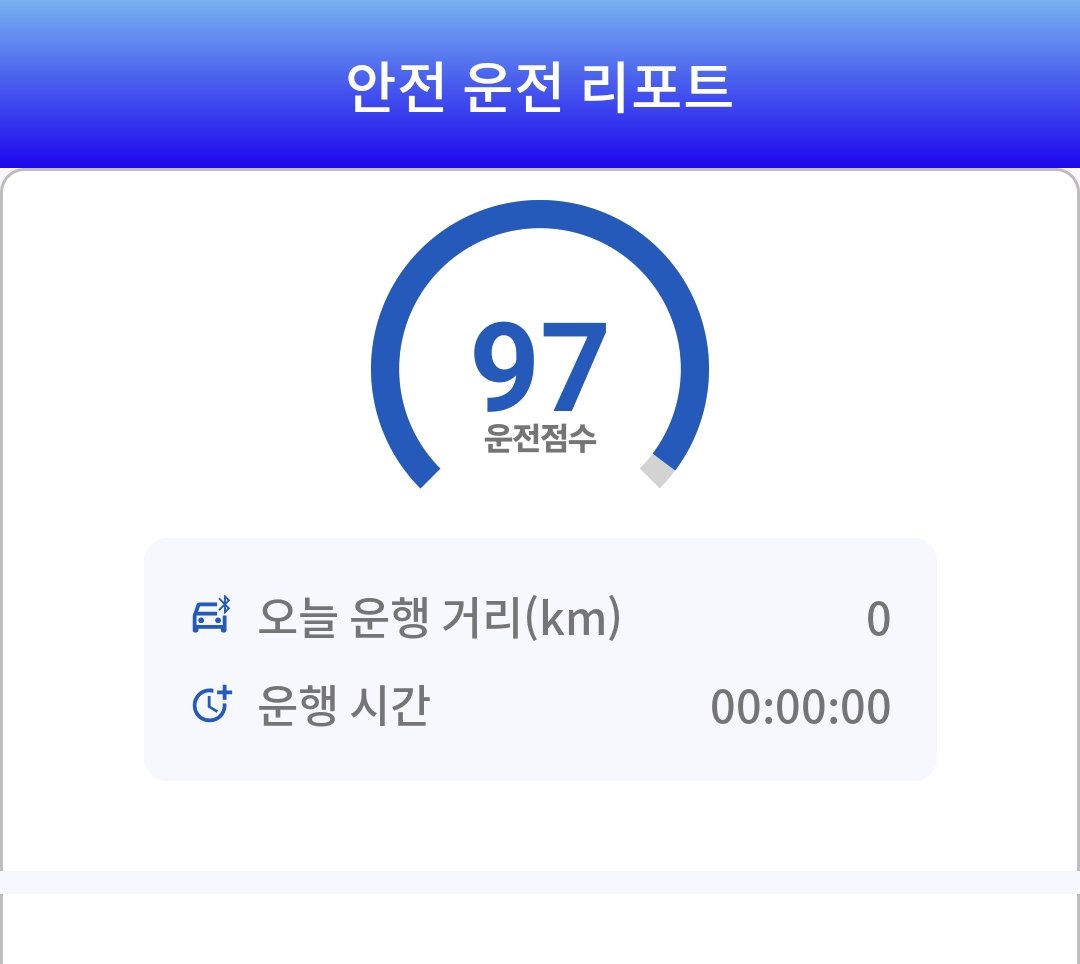
Driver safe-driving report
Drivers check their own driving score and trip records in the app and review the risky-driving items they need to improve.
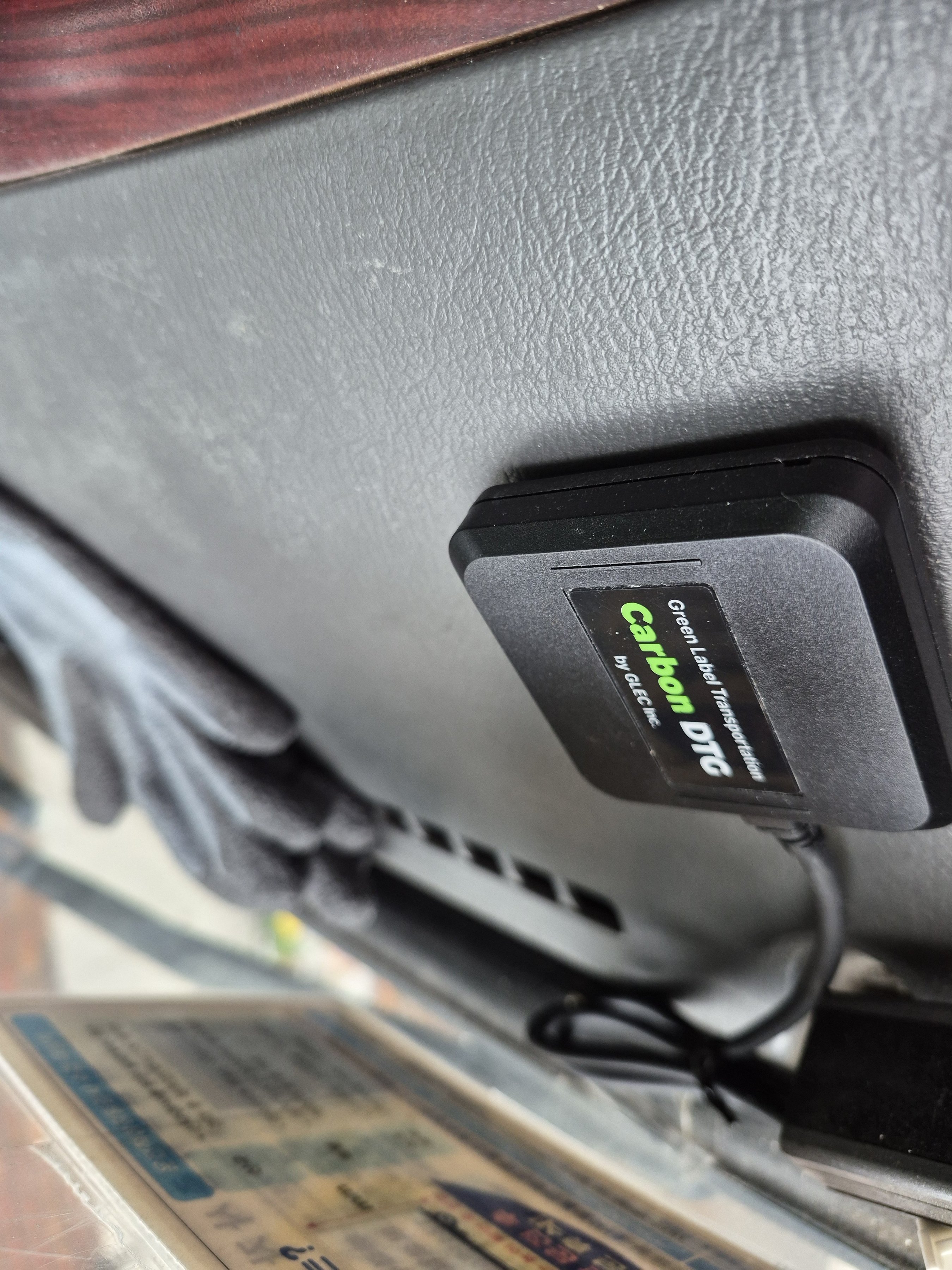
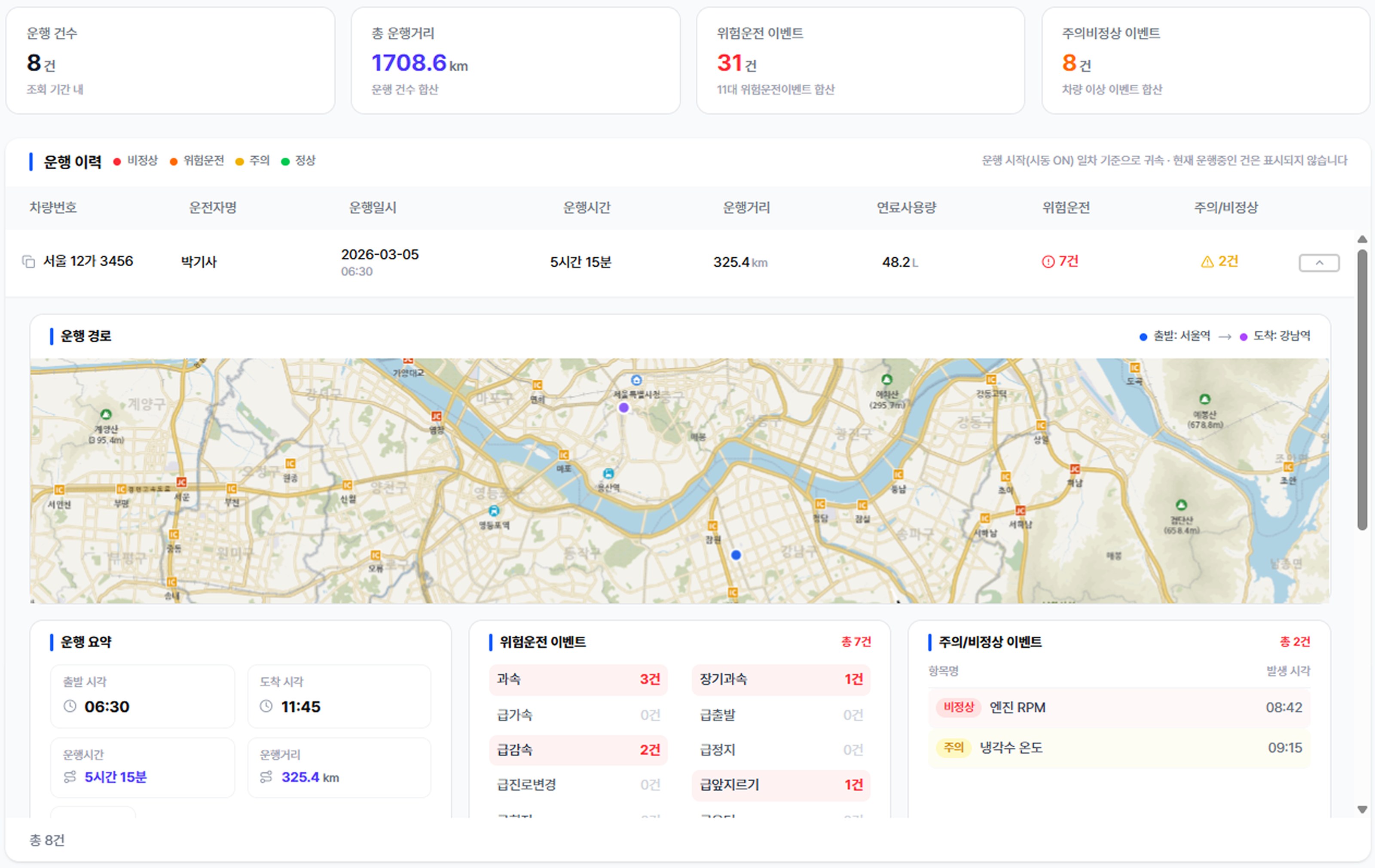
Legally required trip record submission
LTS DTG, which replaces the trip recorder required under the Traffic Safety Act, keeps the records, and submission files are downloaded from LTS Cloud.
01 Evidence waveform
LTS Cloud stores vehicle speed, brake and heading signalstogether with evidence waveforms
Evidence
LTS DTG passed every safety data collection item in pilots,and LTS monitored more than 500 trucks through 2025
Transport quality
LTS is pursuing a transport quality pilot using safe-drivingdata from vibration-free trucks in semiconductor logistics
LTS collects and analyzes raw safe-driving data from vibration-free trucks so that primary contractors and shippers can both see the condition of semiconductor cargo during transport.

Who uses it
Primary contractor HQ, subcontracted carriers and bus operatorsmanage their own safety records with LTS DTG and LTS Cloud
Primary contractor HQ sees partner vehicles' risky driving and cargo transport conditions on one screen.
Learn more →Subcontracted carriers submit the safety records primary contractors request through LTS Cloud for carriers.
Learn more →Bus operators review risky-driving determinations and driver reports for passenger vehicles.
Learn more →Talk to us
Primary contractors describe cargo types and transport structureand receive a plan for risky-driving and cargo quality monitoring
In a consultation, an LTS representative explains the scope and terms of adoption for your fleet size and partner-carrier structure.